
Mountainside Apothecary: Living With the Wild Through the Year

Step into the living traditions of seasonal foraging and herbal remedies in Alpine villages, where spring nettles and spruce tips renew bodies after long winters, midsummer blossoms infuse oils with sunlight, and autumn berries, roots, and resins fill cupboards with care. Learn respectful methods, practical safety, and heartfelt stories passed along mountain paths, and begin crafting small, thoughtful preparations that honor place, people, and the resilient plants that thrive above the clouds.
Spring thaw and first greens
When drifts recede, nettles, wild garlic, alpine sorrel, and dandelion rosettes surge with minerals the body craves after storeroom bread and cheese. Pick away from roads and heavily grazed banks, pinch tender tops, and carry them loosely. Blanch briefly, stir into soups, or boil spruce tips for a gentle syrup that soothes lingering winter coughs.
High-summer bloom windows
Brief, bright weeks welcome yarrow, St John’s wort, arnica, and thyme, each peaking at different altitudes. Harvest dry, sunny afternoons for fragrant potency, and choose only abundant patches. Macerate blossoms in oil for weary muscles, respect photosensitivity warnings with St John’s wort, and remember arnica is for external use only, never applied to broken skin.
Autumn roots and berries
As nights sharpen, juniper berries darken, bilberries hide under crimson leaves, and roots concentrate strength for winter. Learn what is legal before touching gentian; in many places, purchase cultivated roots instead. Dry berries low and slow, label with altitude and aspect, and craft bitters that wake digestion when stews grow heavy and evenings lengthen.
Reading the Seasons Above the Tree Line
High valleys teach time differently: by snowmelt lines creeping uphill, larch candles turning tender green, marmots whistling across meadows, and bees finding yarrow on sun-warmed terraces. Villagers watch these signs to plan careful steps, balancing hunger for fresh greens with patience, and welcoming each short harvest window that arrives precisely, then vanishes, in crisp mountain light.
Safety, Respect, and Local Wisdom
Mountain plants survive on thin soils and short seasons, so every step matters. Study identification with multiple sources, learn local regulations, and leave rare beauties like edelweiss to the wind. Plan routes for sudden storms, carry layers and maps, and harvest with humility, guided by elders who know when to pick, when to pass, and why restraint protects tomorrow’s basket.
Your simple kit and why it matters
Plastic bags sweat and bruise herbs; woven baskets and paper breathe. Gloves spare you nettle stings, a hand lens reveals tiny features, and a scarf becomes an impromptu drying sling. Carry water, a small first-aid pouch, and twine. Lightweight tools keep your stride easy, so careful steps and tidy bundles preserve plants and energy alike.
Sorting, labeling, and drying on the move
Write the plant, part, date, valley, altitude, and weather—notes that later explain strength, color, and scent. Keep species separate, shake out insects kindly, and spread thin layers on mesh or clean cloth. Shade-dry with airflow, rotate often, and test for brittle snap before jarring. Dark glass, tight lids, and patience deliver winter shelves that sing.
Navigating microclimates and habitat clues
South-facing scree warms first, coaxing thyme and yarrow into early bloom, while north gullies stay damp for mints and meadowsweet. Calcareous grasslands invite gentian and carline thistle; seeps hint at spruce and alpine plantain. Learn companion species, read wind patterns, and track where snow lingers longest to predict the next quiet flush of green.
Fieldcraft: Tools, Maps, and Methods
A simple kit protects delicate harvests and your back: a breathable basket, small knife, pruning snips, paper bags, pencil, linen squares, and a field notebook. Pre-label envelopes, separate resinous conifers, and record altitude, aspect, and weather. Dry in shade, not direct sun, and let curiosity guide you to microclimates where timing shifts by hours or by weeks.

Herbs of the Alps: Profiles With Purpose
Meet resilient plants shaped by altitude and light, each carrying stories and cautions. From quick field poultices to slowly infused oils, these profiles blend practical notes with respect for limits. Start small, observe your body’s responses, consult professionals when needed, and let the mountain’s pace slow your hands while knowledge deepens through seasons and conversations.

From Basket to Bottle: Preparations That Travel Well
Transform harvests into sturdy companions for cupboards and packs: teas for chill evenings, tinctures for compact potency, syrups for gentle throats, vinegars for salads and compresses, and salves for trail-worn hands. Work clean, label faithfully, and document choices. These small rituals turn fleeting alpine days into care that lingers through frost, firelight, and returning birdsong.
Infused oils and balms for trail-worn bodies
Dry blossoms thoroughly, then cover with quality oil in a warm window or a cautious double-boiler. Strain through cloth, add beeswax for firmness, and a touch of pine resin for grip and aroma. Label batch details, patch-test sensitive skin, and massage slowly. The fragrance alone brings back sunlit slopes and a kinder rhythm of movement.
Simple syrups and cordials for winter cupboards
Layer fresh spruce tips with sugar, wait for emerald nectar, and gently heat to dissolve. Brighten with lemon, bottle hot, and store cool. Mix with sparkling water, drizzle on pancakes, or ease a stubborn cough. Elderflower from lower slopes lends grace too; always filter carefully, date your labels, and savor summer rising in winter mugs.
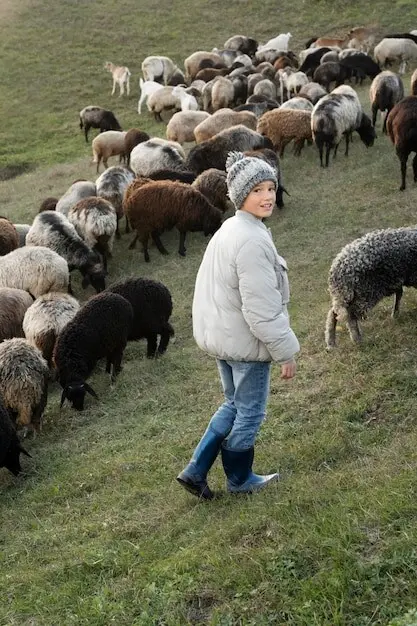
A grandmother’s cracked-hands salve
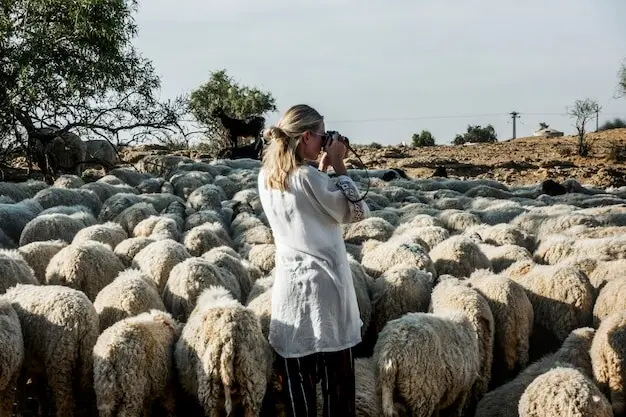
She melted pine resin with lard in a dented copper pot, the room glowing gold while snow fell without sound. After chores, she rubbed each finger, wrapped with cloth, and told how her mother learned it from a shepherd’s wife. Decades later, a wedding gift jar carried that same forested promise of care.
Thyme steam in a snowstorm
Caught on the ridge, a shepherd reached the hut with a rasping cough and cheeks like embers. A handful of thyme, a kettle, a blanket tent, and slow breathing softened everything. Honey followed. At dusk he sledded home, promising to teach the youngest how small leaves steady breath when mountains test patience.
Juniper smoke at lambing time

Before antiseptics arrived in bottles, smoke circled the stable door, fragrant, steady, and watchful. Old songs rose with the curls, blessing tools and straw. Today, a midwife might mist diluted hydrosol instead, science nodding to tradition. The point remains: gather, care, and let aromatic branches remind everyone to breathe and be gentle.
Community, Sharing, and Learning Together
This craft grows stronger when many hands and minds contribute. Share notes from your valley, swap recipes that warmed your winter, and ask questions openly. Keep sensitive locations discreet, but celebrate common abundance. Subscribe for seasonal reminders, join group walks with safety briefings, and help newcomers learn ethics so these mountains keep giving wisely.
Start a seasonal notebook and share updates
Carry a small notebook, sketch leaf shapes, record bloom dates, companions, altitude, and weather. Photograph respectfully, then upload insights without revealing delicate spots. Compare seasons, notice shifts, and send us highlights. We will feature community observations in a monthly roundup, building a gentle atlas of change anchored by careful eyes and friendly voices.
Host a swap of dried herbs and stories
Invite neighbors, label jars clearly with plant, place, and cautions, and brew pine-needle tea in a battered thermos. Trade thyme for plantain, add recipe cards, and welcome a park ranger to speak on protections. Include cultivated seeds—calendula, mint—and promise to replace what you take with help, hugs, or a dish for the table.
Ask questions, subscribe, and map next walks
Post questions in the comments, from identification puzzles to preserving mishaps, and we will answer thoughtfully. Suggest dates for slow group rambles, confirm permissions, and bring extra bags for litter. Subscribe to receive monthly foraging windows, remedy tutorials, and printable checklists. Invite young hikers, pack patience, and let conversation travel as far as your feet.
All Rights Reserved.